+49 (0)89 70065020


Various Living and Decorating Styles: A Comprehensive Guide for Your Home
Various Living and Decorating Styles: A Comprehensive Guide for Your Home
Choosing the right interior design style is more than just a matter of taste – it is the key to a home that reflects your personality and gives you a sense of security. In a world where we spend more and more time within our own four walls, the design of our living space is becoming increasingly important. The perfect interior design style can not only enhance your well-being, but also boost your productivity and enrich your everyday life.
But how do you find the style that suits you in the wealth of possibilities? From timelessly elegant to modern minimalist, from cozy rustic to exotic bohemian – the variety of interior design styles can be overwhelming. In this article, we take you on a journey through the most popular interior design trends and beyond. We will show you how to find your personal style and skillfully implement it in your home.
Whether you want to completely redesign your home or just freshen up individual rooms, our guide offers you valuable inspiration and practical tips. Dive into the world of colors, materials, and shapes that can transform your home into an oasis of comfort. From Scandinavian simplicity to industrial chic and opulent maximalism—here you are guaranteed to find the style that makes your heart beat faster. Let's discover together how, with the right interior design style, you can not only design rooms, but create living spaces that tell your very own story. Are you ready to turn your home into a masterpiece of your individual style? Then read on and get inspired by the most fascinating interior design trends of the year!
Scandinavian interior design: Timeless elegance meets functionality
In recent years, the Scandinavian interior design style has captured the hearts of design lovers worldwide – and for good reason.
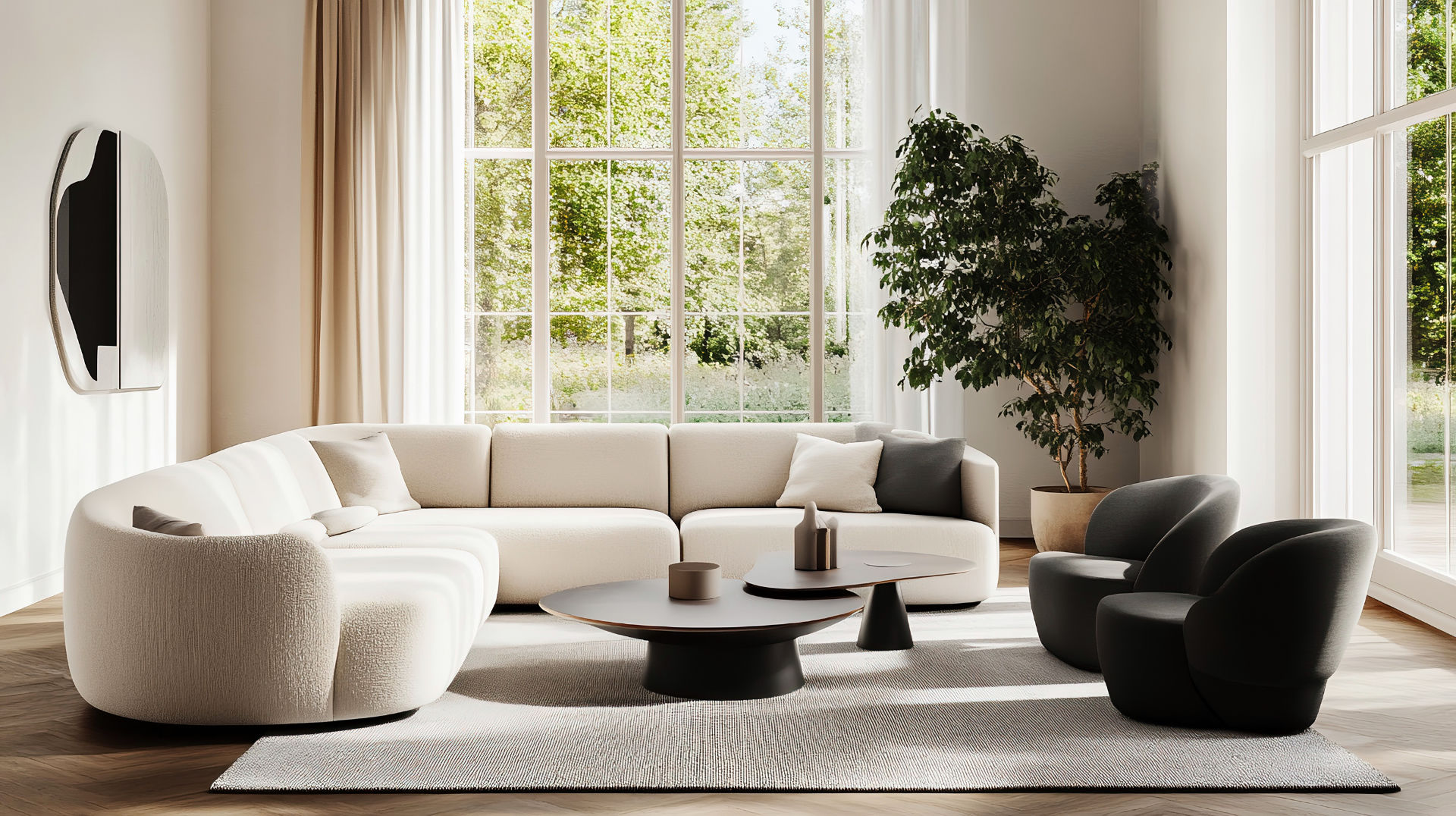
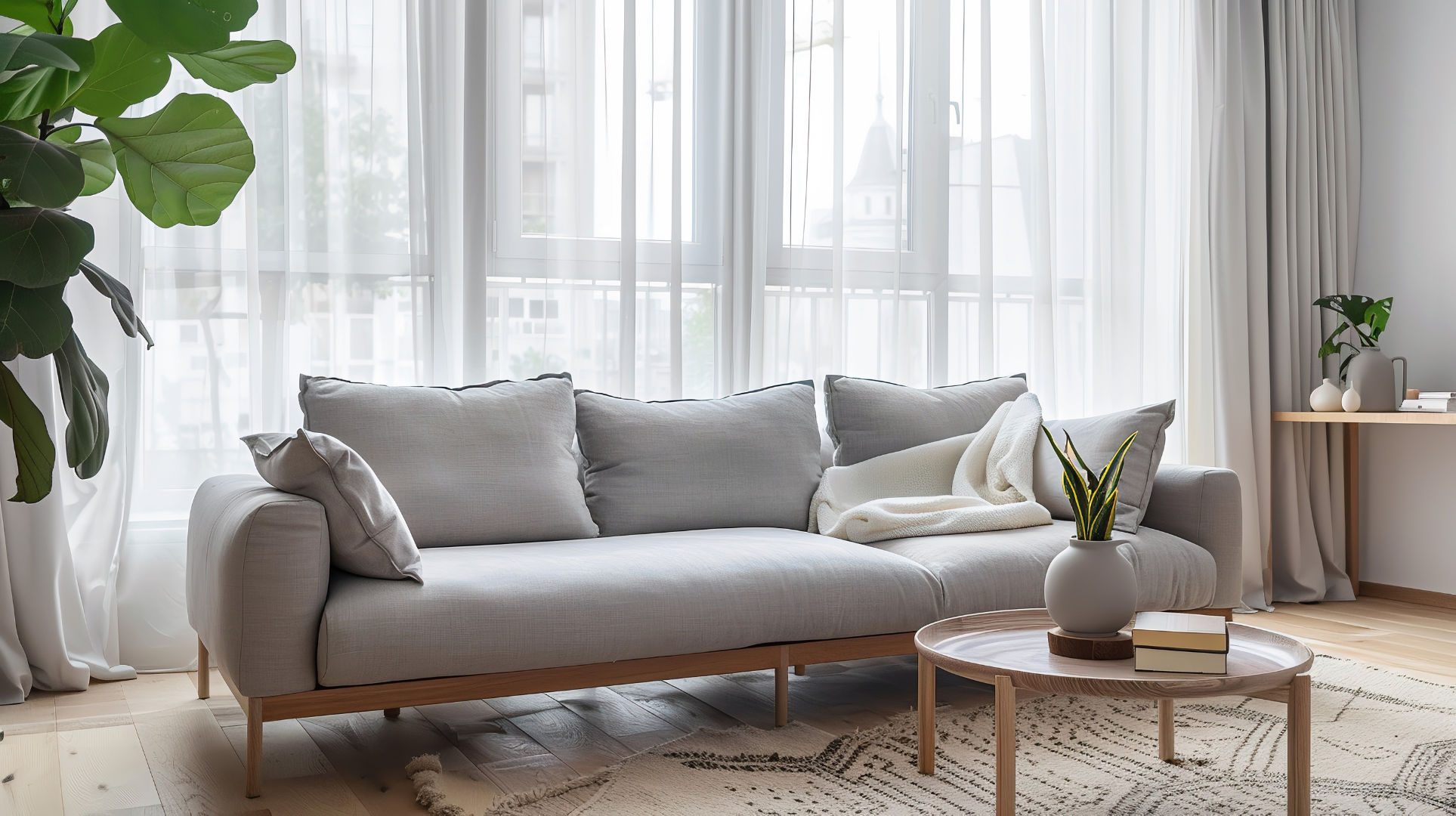
His characteristic blend of minimalism, functionality, and bright colors creates spaces that feel both modern and timeless. The core of this style consists of clean lines, natural materials, and a bright color palette. Spaces are meant to look bright, airy, and flooded with light.
A central component is the principle of “form follows function.” Pieces of furniture feature a functional design, a combination of aesthetics and functionality (ample storage space). By focusing on functionality, clean lines, and natural materials, a timeless and harmonious living environment is created that meets the needs of the residents while simultaneously fostering a calming and inviting atmosphere.
The basis is formed by three main principles: minimalism, functionality, and bright colors
- Simplicity and functionality: Every piece of furniture and accessory has a purpose – form follows function.
- Combination of sleek lines with a clean and fresh aesthetic: to create cozy and light-filled interiors. Rooms are not cluttered, but remain airy and open.
- Light colors: White and neutral tones are characteristic as they maximize natural light and promote positive energy, especially during the long winter months in the Nordic countries.
Materials and furniture:
At the heart of Scandinavian design are natural materials:
- Wood Light woods like oak, birch, and pine are particularly popular for creating a warm and inviting atmosphere.
- Stone Natural stone as an example of flooring
- Textiles: Natural fibers such as wool, linen, and cotton provide coziness
- Accessories: Wickerwork, ceramics, glass
Furniture is often functional and simple. Classics, such as the iconic “Egg Chair” by Arne Jacobsen or lamps by Louis Poulsen, perfectly combine aesthetics and practicality. The style is also reflected in the color scheme of the furniture selection:
- Tables: mostly made of solid wood or muted colors
- Sofas: stand on delicate wooden legs and are filigree
- Cabinets: simple appearance, bright colors or wood look
Contact us – we are always available


Tips for implementation:
By implementing these principles, you can create a timeless, elegant, and functional Scandinavian-style space that radiates tranquility and coziness.
- Color palette: Choose light, neutral colors for walls and large pieces of furniture. Accents can be added using muted earth tones or soft pastel colors.
- Maximize light: Large windows without heavy curtains let in plenty of natural light. Supplement with indirect lighting and atmospheric lamps.
- Natural elements: Incorporate plants and natural textures to bring warmth and life to the space.
- Tidy rooms: Keep rooms tidy and minimalist. Use clever storage solutions to avoid clutter.
- Cozy comfort (Hygge): Add cozy textiles such as wool blankets and soft pillows to create an inviting atmosphere.
Modern interior design style: Timeless elegance for your home
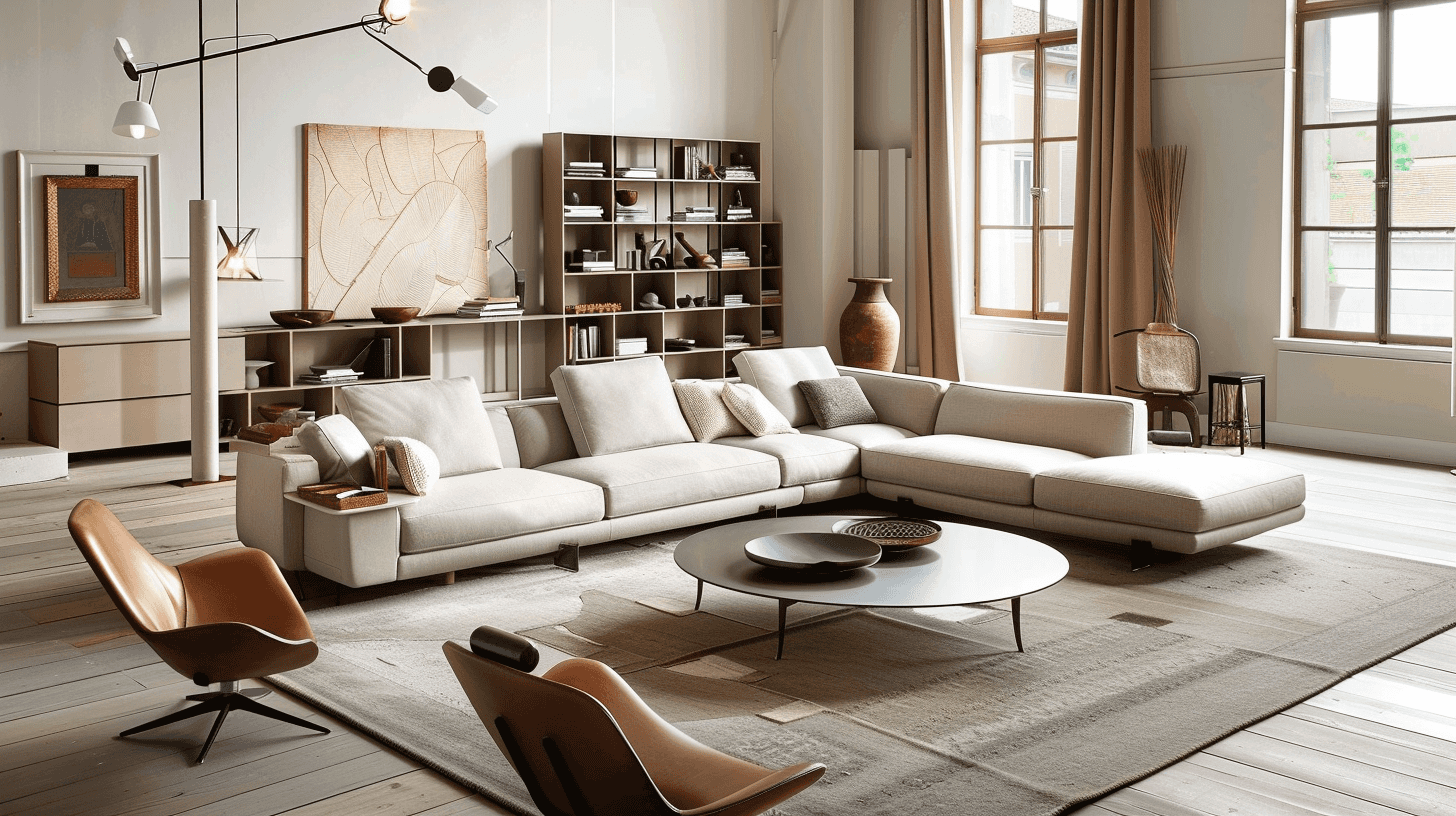
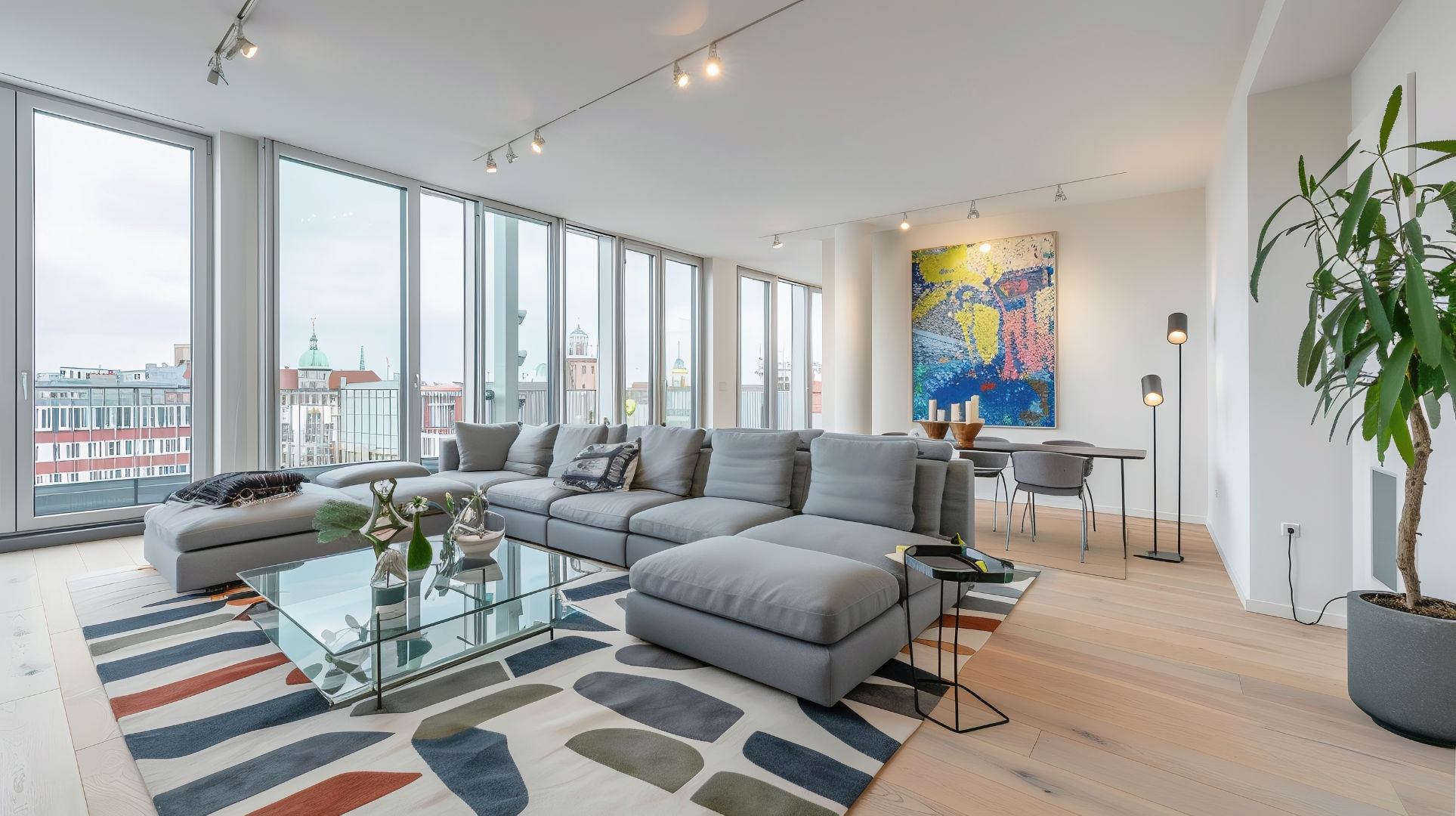
The modern interior design style is a popular choice for many homeowners and interior designers. It is characterized by its clean lines, open spaces, and bright colors, which together create a timeless and elegant atmosphere. In this section, we will introduce the key features of the modern style, the materials and furniture used, and practical tips for implementing it in your own home.
Characteristics of the modern interior design style
The modern style is characterized by:
- Clean lines: Straight lines and geometric patterns dominate.
- Open spaces: Generous, airy spatial concepts are characteristic.
- Hellen Farben: a neutral color palette with white, gray, and beige as a base.
Together, these elements create a minimalist and functional aesthetic that forms the core of modern design.
Materials and furniture
In modern interior design styles, predominantly natural and high-quality materials are used:
- Wood (often in bright tones)
- Voice
- Metal (especially chrome and stainless steel)
- Leather
When it comes to the furniture, the focus is on:
- Sofas and armchairs with straight lines
- Tables made of glass or with clear wood structures
- Cabinets and shelving systems are minimalistic
- Side tables made of metal or glass
The furniture is characterized by its functionality and simple design, often featuring multifunctional elements for optimal use of space.
Implementation tips
To successfully implement the modern style in your home, consider the following tips:
- Reduce to the essentials: Avoid overload and focus on selected pieces.
- Stick to a neutral color palette: Use white, gray, and beige as a base and complement with subtle color accents.
- Maximize natural light: Large windows and bright curtains support the open atmosphere.
- Integrate modern art: Abstract paintings or sculptures can serve as eye-catchers.
- Pay attention to quality: Invest in high-quality pieces of furniture that last long and are timeless.
- Play with textures: Combine smooth surfaces with interesting textures for more depth.
With these basics, you can create a modern interior design style that is both aesthetically pleasing and functional. Remember that while the modern style has clear rules, it also leaves room for personal interpretation.
Experiment and find the perfect balance between minimalism and comfort for your home. To implement a modern interior design style, start with a well-thought-out concept and focus on a few, but high-quality pieces that embody the essence of the modern style.
Country style: Comfort and naturalness in your home
Country house style is more than just an interior design trend – it is a declaration of love for nature and traditional rural life. With its warm colors, natural materials, and cozy details, this style creates an inviting atmosphere that feels both nostalgic and timeless. The charm of country house style lies in its ability to harmoniously combine coziness and elegance, with each element carefully chosen to create a relaxed yet stylish environment.
To skillfully implement the country house style, it is recommended to go for a balanced mix of old and new. Vintage pieces and antiques give the room character and tell stories.


Would you like to know the value of your property? Free and without obligation.
Would you like to know the current value of your property? You've come to the right place for informed value assessments. Call us: 089 70065020.
Our property valuation for you:
- A high-quality and comprehensive analysis of your property.
- Well-founded real estate valuation including market analysis.
- Ideal for owners, sellers, and buyers.
Characteristics of the country house style
Country style is characterized by the following main features:
- Rustic elements like wooden beams or stone floors, radiate warmth and coziness.
- Cozy atmosphere through soft textiles and comfortable furniture.
- Warm colors combine in earth tones, pastel shades, or classic white.
- Natural materials and artisanal details.
These qualities give country-style rooms an inviting and relaxed atmosphere.
Materials and furniture
In country style, natural materials play a central role:
- Wood Solid wood furniture made of pine, oak, or acacia, often with ornate decorations or in a shabby chic look, forms the heart of the interior design.
- Textiles: Cotton, linen, wool for upholstery fabrics and curtains
- Upholstered furniture natural fabrics like linen or cotton
- Natural stone: For floors or countertops
- Rattan and wicker goods: For baskets and seating furniture
- Accessory: Candle holders, baskets, fresh flowers
Typical pieces of furniture are characterized by their robust construction and timeless elegance:
- Cozy sofas with slipcovers
- Solid wood tables, often with turned legs
- Dressers and cabinets with playful details
- Comfortable Wing chair
Materials and furniture
With these elements, you can create a harmonious and inviting country house atmosphere that exudes peace and comfort:
- Select one warm, neutral color palette as a basis
- Integrate Wooden elements like beams or wooden floors
- Bet on high-quality, natural Materials
- Decorate with Vintage Accessories and plants
- Watch out for cozy lighting through floor lamps or candles
- Use textiles with floral or plaid patterns
- Combine You old and new Pieces of furniture for an authentic look
An important tip: avoid clutter and instead rely on selected pieces that structure the room and give it personality. With these elements, the charming country house style can be brought to any home and creates a cozy atmosphere that invites you to linger.
Industrial Style: A Guide to Trendy Interior Design
The industrial style, also known as industrial style, is enjoying growing popularity and brings the raw charm of old factory buildings into modern living spaces. This interior design style is characterized by its raw and urban features, which create a unique atmosphere.
Features: raw and urban, metal and concrete
The industrial interior design style has a robust, unpolished aesthetic reminiscent of old factories and warehouses. The materials used in this style play a crucial role in creating the distinctive urban look.
The main characteristics of the industrial interior design style are:
- Open-plan living concepts with high ceilings
- Unplastered walls (brick or concrete)
- Visible structural elements like pipes, steel beams, or wooden beams
- Minimalist and functional furniture with clean lines
- Large industrial lighting fixtures like pendant lights
- Contrasts between rough and soft textures
- Minimal decoration, focus on functionality
These features combine the raw charm of factory buildings with modern living comfort to create a unique and contemporary look.
Materials and furniture
Materials in industrial interior design: An overview
- Metal Steel beams and iron pipes – metal gives the room a robust and industrial touch. The metal is frequently left untreated or has a matte, oxidized surface that emphasizes its rugged charm.
- Wood Reclaimed wood or recycled wood with visible signs of wear and a rough texture. Often used in combination with metal to create a warm contrast to the cool metal elements.
- Concrete Exposed concrete, whether as flooring, on the walls, or in the form of furniture, brings a modern and minimalist touch that harmonizes perfectly with the other materials.
- Brick Exposed brick walls. The bricks are often left in their natural state to emphasize the raw, unfiltered look.
- VoiceIndustrial windows with black metal frames are a typical example that gives the room a modern, urban character
- Leather: in natural colors, often with a slightly worn surface, adds warmth and a touch of luxury to the room
The industrial interior design style captivates with its simple elegance and the artful combination of rawness and sophistication. Industrial-style furniture is functional and robust.
- Metal shelves: Freestanding or wall-mounted shelves made of black steel or iron. They offer plenty of storage space and give the room a rugged, functional character
- Leather sofas and armchairs: Large, comfortable leather sofas in dark colors like brown or black. They bring warmth and elegance to the room without losing the rugged aesthetic.
- Workshop furniture: Furniture pieces reminiscent of old workbenches or laboratory tables. These can be used as desks, console tables, or even as kitchen islands
- Floor lamps and pendant lights: Lamps with visible light bulbs and metal housings, often in a matte black or copper. They give the room a strong, industrial flair and provide good lighting
These pieces of furniture are essential for authentically creating the industrial interior design style. They combine functionality, robustness, and an aesthetic simplicity that make up the charm of the industrial style.
- Metal shelves: Freestanding or wall-mounted shelves made of black steel or iron. They offer plenty of storage space and give the room a rugged, functional character
- Leather sofas and armchairs: Large, comfortable leather sofas in dark colors like brown or black. They bring warmth and elegance to the room without losing the rugged aesthetic.
- Workshop furniture: Furniture pieces reminiscent of old workbenches or laboratory tables. These can be used as desks, console tables, or even as kitchen islands
- Floor lamps and pendant lights: Lamps with visible light bulbs and metal housings, often in a matte black or copper. They give the room a strong, industrial flair and provide good lighting
These pieces of furniture are essential for authentically creating the industrial interior design style. They combine functionality, robustness, and an aesthetic simplicity that make up the charm of the industrial style.
Implementation tips
To implement the industrial style in your home, you should consider the following tips:
- Open-plan layout An open floor plan and high ceilings are ideal for emphasizing the industrial look. Use furniture as room dividers to create different areas.
- Combination of materials: Mix wood and metal for furniture and decoration. A table with a wooden top and metal legs or shelves made of metal and wood are perfect examples.
- Color palette: Stick to neutral and earthy colors like gray, black, and brown. These colors emphasize the rugged character of the style.
- Lighting: Use large, industrial metal pendant lights to illuminate the room. These lights are not only functional, but also a stylish decorative element.
- Decoration: Focus on minimalist decoration with functional items. Metallic surfaces, old factory clocks, and plants in simple pots complete the look perfectly.
With these tips and a clear idea of the materials and furniture, you can bring the industrial style to life in your home and create a unique, urban atmosphere.
The boho style: A touch of freedom and creativity in your home
Boho style, short for “Bohemian,” is an unconventional and creative interior design style characterized by its casual, non-conformist, and colorful aesthetic. Originally inspired by the 19th-century bohemian movement and the 1960s hippie culture, this style represents a blend of different cultures and eras.
Characteristics of the boho style
The boho style is known for its colorful and eclectic aesthetic. Here are some of the main characteristics:
- Colorful and eclectic: The boho style relies on a vibrant color palette that often combines earthy base tones like brown, beige, and olive with bold accents in turquoise, purple, sunflower yellow, and Bordeaux red.
- Many textiles: Textiles play a central role. Carpets, cushions, blankets, and wall hangings made from various materials and with different patterns are typical of this style.
- Plants: Houseplants are a must in the boho style. They not only bring color and life into the room, but also emphasize the connection to nature in this interior design style.
Materials and furniture
These materials help create the unique, versatile, and relaxed character of the boho interior design style.
- Natural fibers: Materials such as cotton, linen, wool, jute and hemp. They are used in textiles such as rugs, blankets, pillows and curtains to create a warm and inviting atmosphere.
- Wood Untreated or lightly processed wood. Solid wood furniture, often in warm tones or natural finishes, brings an earthy and natural touch to the room.
- Rattan and bamboo: Often used for furniture and decorative items. Rattan and bamboo furniture such as chairs, sofas, shelves, and baskets contribute to the light and airy aesthetic of the boho style.
- Leather: Leather, especially in the form of upholstered furniture, pillows, or small accents, gives the room a luxurious yet relaxed feel. Leather is often used in natural, warm shades such as brown or cognac.
- Macrame and weaving: Handmade macrame wall hangings, dream catchers, and woven textiles. These works of art add texture and artistic expression to the room.
By combining natural, handcrafted, and recycled materials, a cozy and personal living atmosphere is created. Here are some typical pieces of furniture that embody the boho interior design style:
- Rattan and wicker furniture: Rattan and wicker chairs, sofas, and tables are iconic pieces of boho-style furniture. These light and airy pieces of furniture give the room a relaxed and natural atmosphere
- Antique and Vintage Furniture: The boho style often includes antique and vintage furniture pieces that tell a story and give the room character. These can be old chests of drawers, trunks, mirrors, and chairs that have a unique patina and charm.
- Upholstered furniture in colorful fabrics: Boho-style sofas and armchairs are often upholstered in colorful, patterned fabrics. Ethnic patterns, vibrant textiles, and hand-woven fabrics are particularly popular.
- Macrame and Woven Furniture: Furniture with macramé elements, such as rocking chairs or hanging chairs, are typical boho elements. These handcrafted pieces bring texture and artisanal charm to the room.
- Four-poster beds: Beds with canopies made of light, flowing fabrics such as cotton or linen are common in the boho style. They create a romantic and dreamy atmosphere in the bedroom.
The mix of natural materials, colorful textiles, and individual pieces constitutes the charm of this style.
Materials and furniture
To bring the boho style to life in your home, you should consider the following tips:
- Mix and Match: Combine different patterns, colors, and textures. There are no hard and fast rules – the mix makes the look. However, make sure that the colors harmonize and do not look too cluttered.
- Insert textiles: Use lots of pillows, blankets, and rugs to create a cozy atmosphere. Ethnic patterns and macramé are especially popular.
- Integrating plants: Set up many green plants to make the room look more lively and natural. Hanging plants or large indoor plants are particularly well-suited.
- Personal note: The boho style thrives on individuality. Integrate personal items, souvenirs from travels, or handmade decorations to give the room a personal touch.
With these elements and tips, you can bring the boho style into your home and create a cozy, creative, and unconventional atmosphere.
The classic interior design style: Timeless elegance for your home
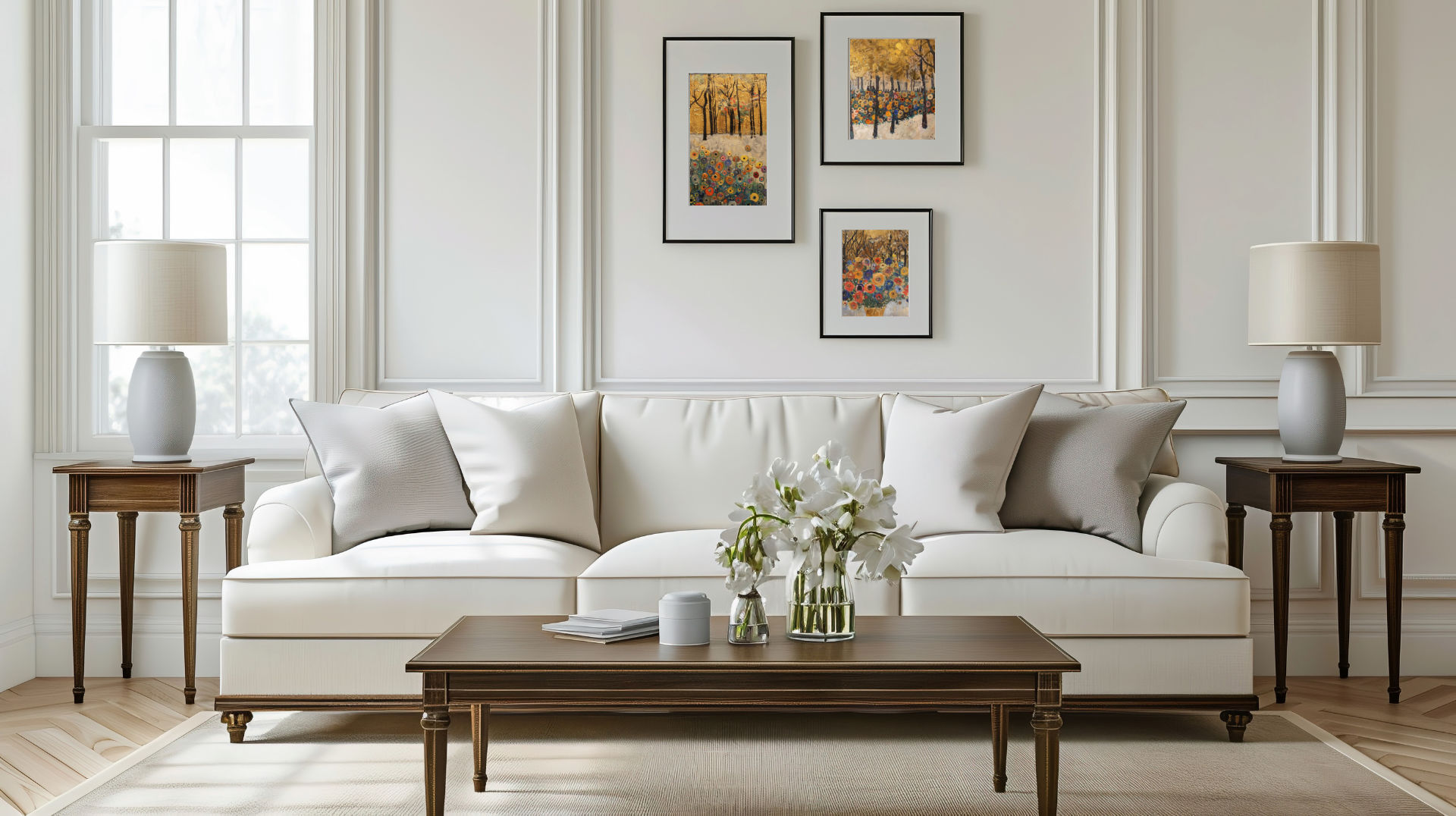
The classic interior design style is characterized by timeless elegance, harmonious symmetry, and the use of high-quality materials. It gives rooms a noble atmosphere and radiates stability. Here are the most important characteristics and tips for implementing this stylish living concept:
Features: elegance, symmetry, and high-quality materials:
- Timeless aesthetics with a focus on harmony and balance
- Symmetrical arrangement of furniture and decorations
- Use of fine materials such as marble, crystal, and real wood
- Subtle, elegant color palette with cream, beige, and gold tones
- Luxurious fabrics like velvet and silk for extra glamour
Materials and furniture:
Here are the most important materials used in the classic interior design style:
- Wood Wood is the dominant material in the classical style. Hardwoods such as mahogany, oak, walnut, and cherry are particularly popular. These woods are frequently used for furniture, paneling, and flooring, contributing to the elegant aesthetic through their rich, dark tones and fine craftsmanship.
- Marble Marble is a central element in classical interior design and is often used for floors, countertops, fireplaces, and columns. Its elegant appearance and natural grain make it a symbol of luxury and durability.
- Silk and brocade: These luxurious fabrics are frequently used for upholstery, curtains, cushions, and wall coverings. With their shiny texture and intricate patterns, they lend an elegant and opulent touch to the room.
- Leather: High-quality leather, often in dark, rich colors, is used for upholstered furniture such as sofas, armchairs, and chairs. It brings a timeless elegance and durability to the room and perfectly complements the other fine materials.
- Metals: Precious metals like brass, bronze, and gilt metal are used for hardware, lighting fixtures, mirror frames, and decorative accents. These metals add a touch of glamour and emphasize the luxurious appeal of the classic style.
These materials form the basis of the classic interior design style and together create a harmonious, luxurious, and timeless living atmosphere. Characteristic furniture pieces of the classic interior design style
- Chesterfield sofa is an iconic piece of furniture in a classic style. It is characterized by its deep button tufting, rolled armrests, and high-quality leather. This sofa gives any room a luxurious and inviting atmosphere.
- Wall units and display cabinets: These pieces of furniture are often made of fine woods and decorated with intricate carvings. They not only offer practical storage space, but also serve as decorative elements that emphasize the classic character of a room.
- Dining tables and chairs: Large, massive hardwood dining tables are typical of the classical style. They are often accompanied by elegant chairs upholstered in fine fabrics such as silk or brocade and featuring ornate carvings.
- Console tables and side tables: These tables are often elegantly and decoratively designed. They have slender, curved legs and can feature inlaid work or gilded details. Console tables are ideal for hallways or living rooms and provide space for decorative accessories.
- Mirrors with gilded frames: Large mirrors with elaborately designed, gilded frames are a typical element of the classical style. They reflect the light and contribute to the luxurious atmosphere of a room.
- Sideboards and Buffets: These pieces of furniture offer both storage space and a decorative surface for displaying fine tableware or decorative objects. They are often made of fine woods and can feature ornate details.
These pieces of furniture are characteristic of the classic interior design style and help create an atmosphere of timeless elegance, sophistication, and luxurious comfort.
Tips for implementation:
- Choose a central piece of furniture as Eye-catcher, e.g., an impressive sofa
- Watch out for a balanced Interior design with symmetrical Order
- Integrate large-format mirrors or paintings with classic motifs
- Use heavy curtains and soft carpets for more comfort
- Set subtle accents through carefully selected accessories
- Combine Combine classic elements with modern pieces for a contemporary look
With these basics, you can skillfully implement the classic interior design style in your home and create an atmosphere of timeless beauty and sophistication.
The Mediterranean style: A vacation at home
The Mediterranean interior design style brings a piece of holiday feeling into your own four walls. With its warm, relaxed atmosphere and natural materials, it makes us dream of the Mediterranean. Here are the most important features and tips for implementing this popular interior style:
Characteristics of the Mediterranean style
- Warm colors: Earth tones such as terracotta, ochre, and sand colors dominate
- Natural materials: Wood, stone, rattan and linen play a central role
- Relaxed atmosphere: Rustic elements and a casual interior create a cozy atmosphere
Typical materials and furniture
Materials in Mediterranean interior design style:
- TerracottaTerracotta tiles are a key feature of the Mediterranean style. They are frequently used for floors, walls, and even roofs, adding a warm, earthy touch to the space. The natural, reddish-brown color of terracotta creates a connection to the Mediterranean landscape.
- Natural stone: Natural stones such as marble, limestone, and travertine are central elements of the Mediterranean style. They are used for floors, countertops, walls, and decorative elements, bringing a rugged yet elegant texture to the room.
- WoodWoods such as olive wood, pine, and cedar are commonly found in the Mediterranean style. These woods are used for furniture, beams, doors, and window frames, bringing warmth and natural beauty to the room. They are often left untreated or are only lightly processed to highlight their natural grain.
- Ceramics: Handmade ceramic tiles and tableware are typical elements of the Mediterranean style. These ceramics are often colorful and decorated with traditional patterns that are reminiscent of the rich culture and history of the Mediterranean region.
- Wrought iron used for decorative accents such as railings, lighting fixtures, furniture frames, and mirror frames. The material adds a rustic yet elegant touch and is an example of the artisanal tradition of the Mediterranean region.
These materials are characteristic of the Mediterranean interior design style and help create a warm and inviting atmosphere, while having a connection to nature and traditional craftsmanship. Here are the most important pieces of furniture that particularly well embody this style:
- Rustic wooden tables: Large solid wood dining tables, often made of olive wood, pine, or oak, are central to the Mediterranean style. These tables have a rugged, handmade look and form the heart of the dining area.
- Upholstered chairs and sofas with linen covers: Comfortable chairs and sofas with covers made of linen or cotton, often in neutral colors such as white, beige, or sand, are typical and provide relaxing and inviting seating.
- Wicker basket furniture: Wicker furniture such as armchairs and sofas made of rattan or willow are frequently found in Mediterranean interiors and on terraces. They give the room an airy, light atmosphere and are ideal for the relaxed lifestyle of the Mediterranean region.
- Wooden dressers and sideboards: These pieces of furniture, often crafted from dark or natural wood, offer ample storage space and simultaneously serve as decorative elements. They can feature ornate carvings or marquetry and contribute to the rustic elegance of the style.
These pieces of furniture help create a warm, inviting, and authentic atmosphere.
Tips for implementing the Mediterranean style
- Walls in White or bright earth tones delete
- Natural textiles how to use linen and cotton for curtains and cushions
- Terracotta pots set up with Mediterranean herbs or small olive trees
- Accents by incorporating shades of blue and green that evoke the sea and nature
- Large windows or patio doorplan to connect indoor and outdoor areas
- Decorative Ceramic and hand-painted tiles use as an eye-catcher
These elements allow you to authentically recreate the Mediterranean style, creating an inviting, sun-drenched atmosphere in any home.
Comparison of interior design styles
Comparing different interior design styles reveals the great variety of ways to furnish your home. The Scandinavian style captivates with its bright, minimalist aesthetic and functionality, while the modern style emphasizes clean lines and contemporary materials. The country house style brings rustic coziness and natural elements into the home, the industrial style relies on rough surfaces and urban flair. The boho style is characterized by its splendor of colors and eclectic mix, the classical style radiates timeless elegance, and the Mediterranean style brings a southern lifestyle into your own four walls.
Pros and cons of each style
Scandinavian style:
- Advantages: Bright, airy, functional, timeless aesthetics and functionality, impresses with its understated elegance
- Disadvantages: minimalist approach can feel cold, little color
Modern style:
- Advantages: clean lines, current trends, often technology-friendly
- Disadvantages: Sometimes impersonal, can appear sterile
Country style:
- Advantages: Cozy, natural, inviting
- Disadvantages: Can seem overloaded, not always up to date
Industrial style:
- Pros: Strong-charactered, masculine, captivates with its rugged charm and authenticity
- Disadvantages: Can seem cold and harsh, not to everyone's taste
Boho style:
- Advantages: Individual, colorful, offers a lot of creative freedom and a relaxed atmosphere
- Disadvantages: Can quickly look overloaded and chaotic, not suitable for minimalists
Classic style:
- Advantages: Timeless, elegant, representative
- Disadvantages: Can appear stiff, often costly
Mediterranean style:
- Advantages: Warm, inviting, brings a vacation vibe into your own home
- Disadvantages: Can seem cliché and cheesy if overdone, doesn't suit every climate
Tips for combining different styles – Conclusion
Combining different interior design styles can lead to a unique and personal living environment. One tip is to choose a dominant style as a base and add accents from other styles. For example, the Scandinavian style can be easily combined with modern elements by using clean lines and light colors as a base and then accentuating with individual colorful boho accessories. The industrial style often harmonizes surprisingly well with classic furniture pieces, creating an interesting tension between rough and elegant. A modern interior can be softened by individual vintage pieces. In general, experiment, but maintain a common thread, whether through a uniform color palette or recurring materials.
How to find the style that suits you
To find your personal interior design style, you should first reflect on your preferences and lifestyle habits. Gather inspiration from magazines, social media, or furniture stores and create a mood board. Pay attention to which elements consistently appeal to you. Also consider practical aspects such as your home's architecture and your budget. Test different styles on a small scale before committing. Your personal style often only emerges over time and is a mix of various influences.
Concluding thoughts and encouragement for individual design
Ultimately, there is no right or wrong when choosing an interior design style. The most important thing is that you feel comfortable in your home. Do not be afraid to break the rules and create your very own style. A home should reflect your personality and evolve with you. Experiment with different elements, mix the old with the new, and let your spaces tell stories. Remember: An interior style is not a rigid rule, but rather an inspiration for your individual home design. Dare to live out your creativity and create a home as unique as you are.
Not to forget: Your lighting concept
Lamps not only serve a functional purpose, but can also make a room feel completely different.
Generally, three lighting settings are important for your living spaces
- Daylight – brighten darker corners using a floor lamp as an example
- Work light (especially important in the kitchen and at the home office workstation - optionally at the desk in the children's room)
- Evening light - creating a cozy and snug atmosphere
A combination of various light sources such as ceiling lights, table lamps, floor lamps, and (if present) wall spots envelops the room in the desired atmosphere.
A beautiful decorative object gains presence when illuminated. A wing chair invites you to read when the matching floor lamp creates a cozy atmosphere.
The eye automatically looks for the brightest point, which is why it is important that blinding light sources cannot be seen directly.
Lighting designers who create a personalized lighting concept with you are often money well invested. Ask your friends and acquaintances for recommendations regarding this.
Usually, however, specialists in lighting stores are also very helpful – for this, take a photo of your room. The trained salesperson can then show you ways to stage your room in the best possible way with light sources.
FAQs on interior design styles
How do I find my personal interior design style?
Answer:
You decide which style is right for your home – how do I want to feel at home – what is the purpose of each individual room? Would you like to furnish your entire home in the same style or just individual rooms?
For example, having a clear structure in your home office is important to you so that you can stay focused. The modern style would be the right choice here. In the kitchen, on the other hand, functionality is your top priority—the Scandinavian style would be a good fit here. In the living room, you want to recreate the feeling of your last vacation on the Mediterranean.
Every room must work for you – whether this is the same for your entire home or each individual room is intended to have a different effect – it is entirely up to you.
Ask your friends or family if you were an interior design style – which one would you be?
No matter what—it has to suit you and you must feel comfortable! Many different styles can be perceived as beautiful. Example: You take a guided tour of Herrenchiemsee Palace. The stucco, the gilded elements, the heavy velvet on the cushions, and the ceilings that are meters high are impressive. Would that be your personal interior design style, on the other hand? You can like many things, but actually living in it is something else.
You can also ask yourself which style your favorite pieces correspond to and develop this further.
Can I combine different interior design styles?
Answer:
The combination of different interior design styles opens up fascinating possibilities to create unique and personal living spaces. The Scandinavian style harmonizes particularly well with the modern style, as both emphasize clean lines and functionality. A fusion of country house style and industrial style, often referred to as “Modern Farmhouse,” combines rustic elements with urban aesthetics.
The boho style can be combined wonderfully with the Scandinavian style, known as “Scandi Boho,” which unites coziness with minimalism. Classic furnishing elements can give the industrial style an elegant touch, while the Mediterranean style complements boho accents well to create a relaxed, sunny atmosphere.
The key to a successful mix of styles lies in finding connecting elements such as colors, materials, or shapes and weaving them as a common thread through the interior design. It is important to pay attention to a balanced equilibrium and not to combine too many styles at once in order to preserve a harmonious overall picture.
Which styles are suitable for small rooms?
Answer:
Interior design styles that focus on functionality and visual expansion are particularly well-suited for small rooms. The minimalist style, Scandinavian design, and modern style deserve special mention here.
- Scandinavian design: Characterized by bright colors, natural materials, and functional furniture, this style creates a friendly and open atmosphere. Light walls and floors reflect the light and make the room appear larger.
- Modern style: This often involves the use of multifunctional furniture that can fulfill several tasks, such as a sofa with integrated storage or a fold-out dining table. The use of mirrors and glass surfaces can also visually enlarge the space by reflecting light and creating depth.
- Boho styleBy using lightweight materials, plants, and layered textures, the boho style can bring personality and warmth to a small space without making it feel cluttered (caution: do not introduce too many objects!)
In addition, targeted color accents and the right lighting can enhance the room and make it appear larger. Light colors on the walls and ceilings, combined with directional lighting, create an inviting and spacious atmosphere.
How do I maintain my interior design style?
Answer:
When you discover a new piece of furniture, a lamp, or an accessory that you like, ask yourself whether it complements your current interior style or corresponds to an aspired style. The easiest way to achieve this is by mapping out an overview of your style. Which colors (muted or loud), textiles, patterns, and materials are crucial for harmonious interior design? Does the new find fit in with them? If you are still looking for something specific, such as a bedside lamp or a new coffee table, it is usually helpful to take a photo of the intended spot. This way, you can quickly check on-site and thus usually make a better decision as to whether a new item would fit into your home or not.
Share


Download as PDF

Print page