+49 (0)89 70065020


Automatic Irrigation Systems: How to Water Your Garden Smart and Efficiently
Automatic Irrigation Systems: How to Water Your Garden Smart and Efficiently
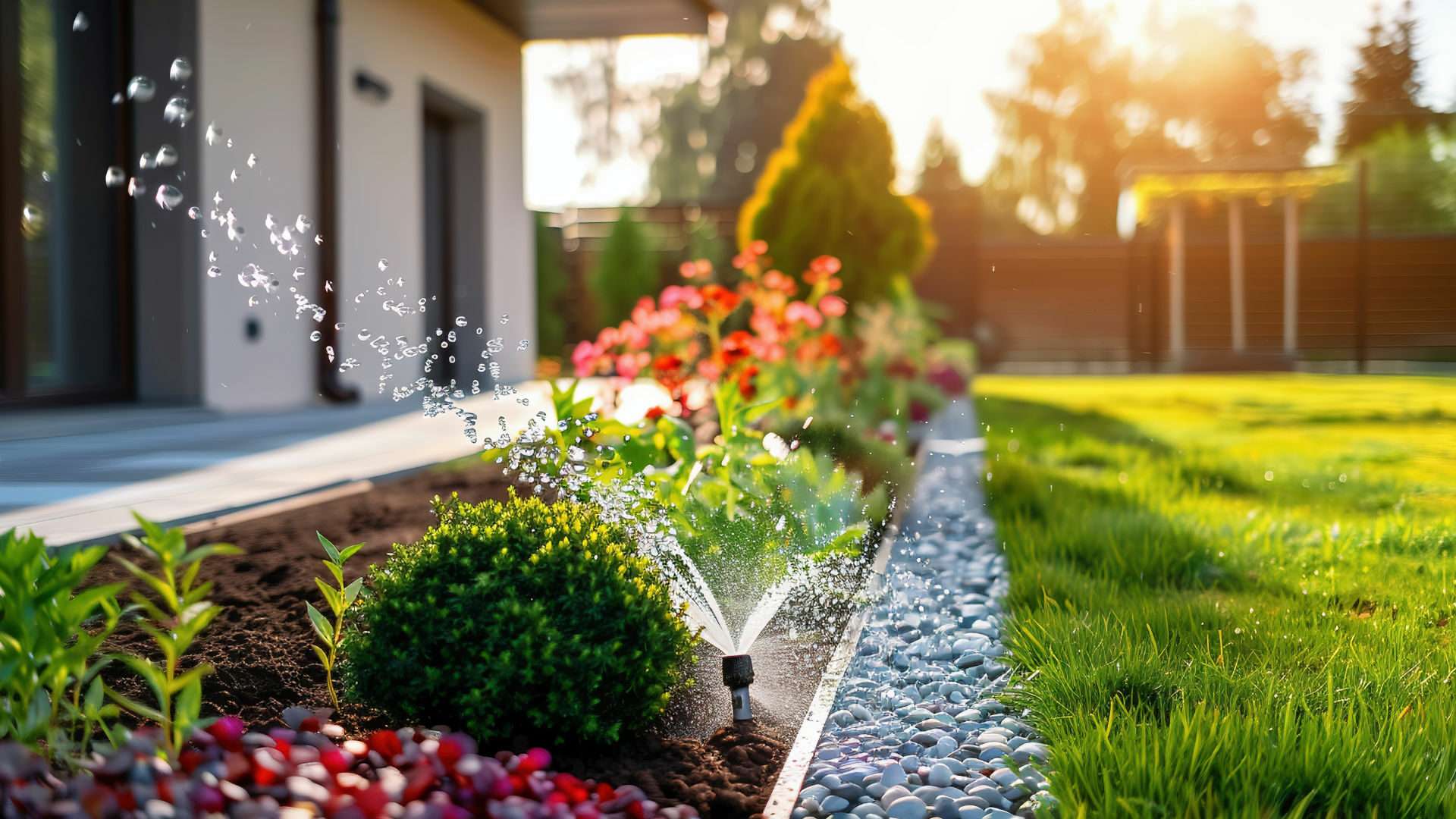
Garden irrigation systems are a forward-looking answer to the growing challenges in garden maintenance and environmental protection. In a world where water is becoming an increasingly precious resource and the importance of urban green spaces is rising, intelligent irrigation solutions offer an efficient way to maintain gardens sustainably.
Smart irrigation systems: A sustainable solution for green gardens
In a time when urban greenery is becoming increasingly important, we recognize the numerous benefits that a green, blooming garden brings. A well-maintained garden not only serves as a personal oasis of peace and relaxation, but can also significantly increase the value of a property. In addition, green gardens provide a habitat for biodiversity and contribute to improving the microclimate. However, the challenges of efficient irrigation and responsible management of water resources should not be underestimated. In view of global climate change and increasing water scarcity, efficient garden irrigation is becoming ever more important. Traditional watering methods often lead to excessive water consumption, which is not only costly, but also harms the environment and large gardens. The challenge lies in supplying plants with sufficient water without wasting valuable resources.
Basics of automatic irrigation
Intelligent irrigation systems are part of the growing trend toward smart gardening. They use sensors, irrigation computer analysis data, and automated controls to deliver precisely the right amount of water at the optimal time. These systems can measure soil moisture levels, factor in weather forecasts, and even consider the specific needs of different plant species to prevent over- or underwatering. They ensure that flower beds, lawns, and potted plants are watered efficiently without wasting water.
Contact us – we are always available


Various types of garden irrigation systems
There are different types of smart irrigation systems suitable for various garden needs and sizes. Drip irrigation systems are ideal for targeted watering by delivering water directly to the plant roots, which maximizes water efficiency and minimizes evaporation. These systems can use either above-ground or underground pipes and lines and are particularly suited for flower beds, raised beds, and potted plants. Sprinklers and sprinkler systems, on the other hand, are excellent for larger areas such as lawns and can be programmed to activate at specific times to ensure uniform watering. Spray nozzles and drippers are additional components that can be used in a micro-drip system to ensure precise watering.
Use of rainwater in garden irrigation: High quality and financial benefit
The use of rainwater for garden irrigation is an optimal solution. Rainwater is characterized by its softness, making it a particularly plant-friendly water source. Furthermore, the use of rainwater enables cost savings that bring both financial benefits and a contribution to environmental protection. For the effective collection of rainwater, methods such as setting up rain barrels or installing cisterns are suitable.
Efficient irrigation with drip hoses
Drip hoses are an excellent method for watering hedges and perennials in a targeted and water-saving manner. These hoses, also known as part of micro-drip systems, are laid out inconspicuously on the ground and supply the plants with water directly at the roots. Through the many small openings in the hose, water is released sparingly directly into the soil in the form of drops, which minimizes evaporation and maximizes efficiency. It is particularly practical that the upper parts of the plants remain dry, which prevents diseases.
The drip hose, often also called a soaker hose, is particularly suitable for long-term flowerbeds with perennial plants such as hedges and shrubs. When replanting the bed, however, a rearrangement of the hose is required. For installation, the hose is laid in loops along the plant rows, with a distance of 30 to 50 centimeters between the loops being ideal. A 50-meter-long drip hose is already available for about 40 EUR and can also be connected to a water timer for automated irrigation.
Clay watering aids
Ollas for garden irrigation Widely used in Spain, ollas—pots or cooking pots in German—serve as effective irrigation aids. These closed clay containers ensure constant soil moisture over several days. Due to their porous nature, which is created by firing at low temperatures, the water slowly diffuses through the walls of the ollas and supplies the surrounding plants with moisture as needed. The ollas are embedded in the soil up to the filling opening and must be removed from the ground before the first frost, as they are not frost-resistant. For effective irrigation, it is advisable to place the ollas in the garden bed before planting the crops to avoid root damage. They can also be placed in a raised bed. After inserting the ollas into the soil, the surrounding earth should be watered thoroughly to optimize water distribution. This procedure, known as puddling, ensures that the ollas can deliver the appropriate amount of water to the plants in the best possible way.
Integration into the smart home
A key advantage of intelligent systems is their ability to be seamlessly integrated into existing smart home systems. This enables garden owners to control and monitor their irrigation systems via smartphone apps or voice assistants, regardless of their location. Compatibility with various operating systems and platforms ensures a flexible and user-friendly experience. The irrigation system can be operated fully automatically by connecting it with weather stations and soil moisture sensors to efficiently utilize rainwater and ensure demand-based watering.
Environmental impacts of traditional irrigation methods
Traditional irrigation methods, such as manual watering or simple timers, tend to waste water because they do not respond to the actual needs of the plants or current weather conditions. This inefficient use of water not only leads to unnecessarily high water bills, but also has negative impacts on the environment. Overwatering can lead to erosion, deterioration of soil quality, and the waste of a precious resource.
Intelligent irrigation systems offer an environmentally friendly alternative by optimizing water consumption while simultaneously promoting plant health and growth. By introducing smart irrigation systems, gardening enthusiasts and garden owners can not only maintain their gardens more efficiently and effectively, but also make a valuable contribution to environmental protection.

Would you like to know the value of your property? Free and without obligation.
Would you like to know the current value of your property? You've come to the right place for informed value assessments. Call us: 089 70065020.
Our property valuation for you:
- A high-quality and comprehensive analysis of your property.
- Well-founded real estate valuation including market analysis.
- Ideal for owners, sellers, and buyers.
Efficiency and sustainability through an automatic irrigation system
Automatic irrigation systems represent a technological innovation that goes far beyond traditional garden maintenance. They offer numerous benefits that both make users' daily lives easier and make a significant contribution to environmental protection.
Save water through intelligent control
A significant advantage of these systems is the substantial water savings. Sensors measure the moisture content of the soil, and in combination with weather data, the water requirements of the plants are precisely determined. This enables efficient irrigation that not only conserves resources but also noticeably reduces water costs.
Time savings and comfort
The automation of irrigation processes saves time and increases convenience for the user. Manual watering, which is often time-consuming, is replaced by pre-programmed watering schedules that run without daily effort.
Flexibility through remote control
Modern irrigation systems offer a high degree of flexibility through the possibility of remote control via apps. Users can control their systems from anywhere and react to changes such as shifts in the weather or the specific needs of the plants.
Contribution to environmental protection and sustainability
Automatic garden irrigation systems minimize water consumption and, through needs-based watering, support plant health and biodiversity in the garden. This is of great importance, particularly in water-scarce regions.
Planning and installation: The path to an efficient irrigation system
The planning and installation of an intelligent irrigation system are crucial steps to fully exploit the benefits of this technology. Careful selection and correct setup ensure that your garden is irrigated efficiently and as needed, without wasting resources.
Choosing the right system for your own garden
Choosing the right irrigation system begins with a precise assessment of your garden's specific needs. Consider the size of the garden, the type of plants you want to grow, and the geographical location, as these factors influence water requirements. There are various systems, such as drip irrigation for targeted watering or sprinkler systems for larger areas, each offering its own advantages. Expert advice can help you find the optimal system for your requirements.
Technical Requirements and Installation
Before beginning the installation, make sure that all technical prerequisites are met. This includes checking the water pressure conditions and existing connections, as well as ensuring that a compatible control center or smart home system is available if the irrigation system is to be connected to it. The installation itself can vary depending on the system complexity. Simpler systems may potentially be installed independently, while hiring a professional is recommended for more extensive systems.
Setup and programming of the irrigation control system
Following the installation comes the setup and programming of the irrigation control system. Modern systems often offer an intuitive user interface that allows you to create, adjust, and optimize irrigation schedules. Take advantage of the opportunity to set up different irrigation zones and program individual watering schedules based on the specific needs of the plants in each zone.
Common installation errors and problems and how to avoid them
A common mistake when installing smart irrigation systems is the inadequate planning of irrigation zones, which can lead to inefficient water application. Make sure to create zones based on similar plant water requirements. Another issue is the incorrect setting of watering times on the irrigation controller, which can lead to either over- or under-watering.
Avoid this by regularly adjusting watering schedules, especially with the changing seasons. Finally, it is important to regularly check the system for leaks or blocked nozzles to ensure optimal function. By considering these points during the planning, installation, and setup of a smart irrigation system, you can ensure that your garden is watered efficiently and sustainably while avoiding common mistakes.
Optimal use and maintenance of smart irrigation systems
Intelligent irrigation systems are revolutionizing garden care by enabling efficient and demand-driven watering. However, to unlock the full potential of these systems, it is important to understand their practical application and operation. This section provides an overview of daily use, monitoring and adjusting irrigation schedules, as well as system maintenance and care.
Daily use and customization options
The daily use of smart irrigation systems is remarkably simple thanks to user-friendly interfaces and apps. Users can set watering times, adjust the duration of watering, and even create specific watering schedules for different garden areas. The flexibility of these systems makes it possible to cater to the individual needs of each plant, leading to healthier growth and more efficient water use.
Monitoring and adjustment of irrigation schedules
A key advantage of smart irrigation systems is the ability to continuously monitor irrigation schedules and adjust them as needed. If weather conditions or plant needs change, the schedules can be modified accordingly. This ensures that the garden is always optimally watered without wasting water.
Maintenance and care of the system
The maintenance and care of an intelligent irrigation system are crucial for its longevity and efficiency. Regular checks of the irrigation nozzles and lines for clogs or damage help keep the system in working order. It is also important to properly drain the system, including all pipes and lines, before the onset of the frost period to prevent damage from freezing water.
Stiftung Warentest test report on garden irrigation systems: A targeted selection under the microscope
For garden owners considering the purchase of an intelligent irrigation system, the test report from Stiftung Warentest provides insightful information. In this specific test, four selected irrigation systems were thoroughly examined to evaluate their efficiency, user-friendliness, and reliability. It is important to note that the test focuses on a targeted selection of systems and does not include all irrigation systems available on the market. This focused investigation allows the testers to provide detailed insights into the performance and practical application of the tested systems.
A look into this review can help potential buyers make an informed decision and find the irrigation system that best fits the specific requirements of their garden. The careful selection and maintenance of a smart irrigation system are crucial for watering the garden efficiently and sustainably. By utilizing the advanced features of these systems, garden owners can not only save water and time, but also enjoy a healthy and thriving garden.
Economic efficiency of intelligent irrigation systems
Investing in a smart irrigation system goes beyond convenience and environmental protection, representing a significant financial decision. The initial costs vary depending on the type and scale of the system, with simple models available at moderate prices and more extensive systems at higher costs. Ongoing operating costs, which include water costs as well as maintenance and potential electricity costs, are often minimized by the efficiency of the system. Smart irrigation systems aim to reduce water consumption through demand-driven watering, which can lead to a significant reduction in water costs.
The amount of savings depends on local water prices and previous consumption. In the payback calculation, the acquisition costs must be weighed against the long-term savings, while also taking indirect benefits such as time savings and improved plant health into account. The investment in an intelligent irrigation system often pays for itself within a few years, making it an economically sensible decision for garden owners.
The Future of Garden Irrigation: Smart Technologies and Sustainable Trends
Garden irrigation is facing a technological transformation that will not only revolutionize the way we maintain our gardens, but also how we use resources and protect our environment. In this section, we take a look at the latest developments and trends in smart garden irrigation, integration with the smart home, and the role of these technologies in the fight against climate change.
Latest technologies and innovations
Garden irrigation is increasingly benefiting from the introduction of advanced technologies. Smart irrigation systems equipped with sensors and automated controllers can precisely determine and adjust water needs. Artificial intelligence (AI) and machine learning make it possible to optimize irrigation schedules and use resources more efficiently. In addition, technologies such as the Internet of Things (IoT) are used to monitor and control irrigation systems in real time, which can lead to a significant reduction in water consumption.
Integration with other smart home devices
The integration of irrigation systems into the smart home is another trend that is gaining importance. By connecting with other devices, irrigation systems can communicate with weather stations, soil moisture sensors, and other environmental sensors to ensure even more precise and demand-driven watering. Control via central smart home platforms allows users to manage all aspects of their garden from a single interface.
Outlook on future possibilities of garden maintenance
The future of garden care points to even greater automation and personalization. Robotic lawnmowers that communicate with irrigation systems and smart fertilization systems that precisely dose nutrients are just a few examples of the possibilities that could be available to us in the near future. These technologies will not only increase efficiency, but also help make garden care more accessible to everyone.
Smart irrigation systems in the context of climate change
In view of climate change and the associated periods of drought and water restrictions, intelligent irrigation systems are playing an increasingly important role. They help save water by enabling precise, demand-driven irrigation. This is of great importance, particularly in regions facing water scarcity. Furthermore, intelligent systems can help increase the resilience of gardens to extreme weather conditions and thus mitigate the impacts of climate change.
Future developments in garden irrigation promise not only more efficient use of water resources, but also greater integration into the smart home ecosystem and a positive contribution to environmental protection. With the advancement of these technologies, we can expect a greener, more sustainable approach to garden care that benefits both our plants and the planet.
Share


Download as PDF

Print page